|
|
Last Modified on Jan 18, 2026
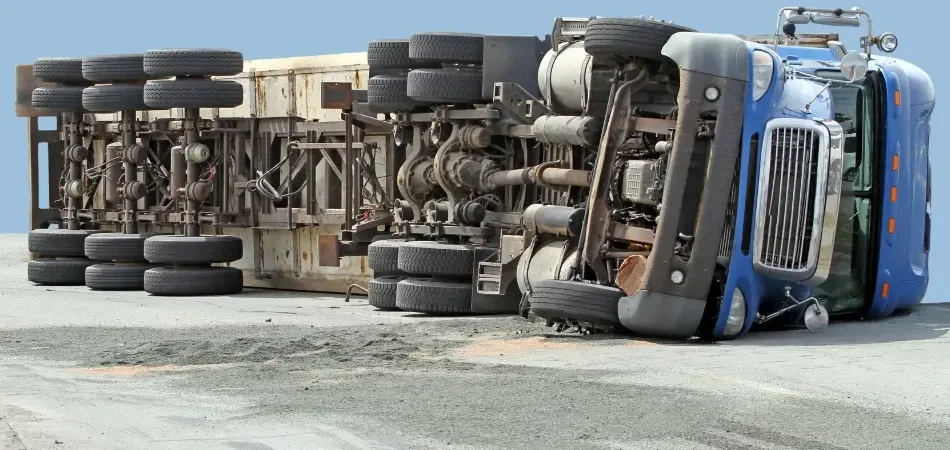
How cargo shift causes rollover truck crashes on interstate freight corridors in North Carolina is a recurring safety issue, which is tied to the way commercial loads are prepared and transported. Improperly loaded, unevenly balanced, or insufficiently secured cargo can shift during transit and destabilize a tractor-trailer.
In heavy freight corridors, high speeds are common. Even everyday maneuvers, such as driving through curves, braking, or changing lanes, may cause a shifting load to change a truck’s center of gravity, resulting in a rollover crash. You should also be aware of the North Carolina personal injury statute of limitations to ensure you file your claim within the legal timeframe.
Hire a Truck Accident Lawyer in North Carolina
Roberts Law Firm, P.A., has advocated for injured North Carolinians and their families since 1964. The firm has decades of experience in serious personal injury cases, including complicated truck accident claims arising from interstate freight traffic. Understanding North Carolina car accident laws is essential when your case involves a mix of commercial and passenger vehicle liability.
Roberts Law Firm, P.A., understands federal and North Carolina truck accident laws, insurance practices, and court procedures. Our firm has provided knowledgeable, stable counsel to clients faced with the legal issues that arise from commercial vehicle collisions.
The Impact of Improper Load Distribution on a Truck’s Center of Gravity
Cargo that is uneven or stacked too high can raise a truck’s center of gravity, which reduces a trailer’s ability to resist forces that may cause a tip-over. For instance, during turns, transitions on ramps, or emergency situations, the risk of a rollover increases. At interstate speeds, this is particularly hazardous, as higher velocity amplifies the forces involved, leaving less time for the truck driver to react and take corrective measures.
The following national statistics show the potential for catastrophic outcomes when large trucks are involved in a rollover. In 2023, the number of people who died in crashes involving large trucks in the United States was 4,354. It is important to note that not all these deaths involved rollover crashes, but this information can show how large truck stability failures can cause a truck to roll over and result in fatalities.
Cargo Securement Failures and Common Loading Errors
Cargo shift can be the result of poor securement rather than an isolated act of reckless driving. Loose or broken tie-downs, worn straps, improperly secured pallets, or even mixed freight loads that shift on their own while in transit can be causes of cargo shift. Fluid loads also present unique cargo shifting challenges, as they can surge within their containers when the truck brakes or swerves, which can have destabilizing consequences at highway speeds.
This information is not only theoretical. In 2024, according to the United States Department of Transportation, 5,384 vehicles were involved in both fatal and non-fatal crashes with large trucks in North Carolina. The statistics are not broken down by cargo-related crashes, but they do highlight the frequency of large truck incidents of this nature throughout the state.
Why Interstate Freight Corridors Increase Rollover Risk
Freight corridors, especially those established as interstate routes, are designed for efficiency at higher speeds, so they do not necessarily account for error correction. Long curves, entrance and exit ramps, merging lanes, and unexpected slowdowns in traffic all test the stability of large commercial vehicles. When a truck is in a compromised state because of shifting cargo, these factors can further the potential for a rollover. If you have been injured on one of the state’s major thoroughfares, a seasoned North Carolina I-85 truck accident lawyer can help you determine if loading errors played a role in your collision.
Compared to surface streets, interstate travel tends to give less time and opportunity to correct course once a trailer begins tipping or swaying. There is also an increased probability that a rollover event among high-speed passenger vehicles will have a cascade effect that injures additional motorists. Cargo shift can easily cause conditions that would otherwise be part of a typical driver’s experience on these corridors to become a serious loss-of-control situation.
Who May Be Responsible When Cargo Shift Leads to a Rollover Crash?
The truck driver may not be at fault for a cargo-shift rollover. Whoever loaded and secured the freight can also be liable. In many cases, the shipping company, motor carrier, or third-party logistics provider may have been responsible for cargo-control decisions. The federal cargo securement regulations set forth specific roles for the parties involved with interstate transportation.
The loading or securement decisions that may have contributed to an accident might have been made well before the truck entered an interstate highway. Loading records, bills of lading, inspection reports, and contractual relationships for the shipment must be reviewed to determine who is responsible in a North Carolina truck accident claim.
FAQs
How Can Cargo Shift Be Identified After a Rollover Crash?
Cargo shift can sometimes be confirmed by physical evidence from a post-crash inspection. Investigators look for clues such as:
- Dislodged freight
- Broken or loose tie-downs
- Damaged trailer walls
- Unevenly distributed cargo
Other evidence could include:
- Crash scene photos
- Cargo manifests
- Weigh station records
- Inspection reports
In rare cases, witness statements or vehicle data could indicate when and how the load moved.
Do Cargo Securement Rules Apply to All Interstate Truck Shipments?
Federal cargo securement regulations apply to commercial motor vehicles transporting cargo in interstate commerce. These fall within the scope of the Federal Motor Carrier Safety Regulations. Those rules set minimum standards for how freight must be restrained during transport to reduce the risks of shifting, falling, or leaking.
The requirements are specific to the type, weight, and configuration of cargo, but they generally reduce the hazards that unstable loads can pose on interstate highways and freight corridors.
Can Weather Conditions Make Cargo Shift More Dangerous on Interstates?
The risks of cargo shift are compounded by adverse weather conditions. Rain, wind, or icy conditions on interstate highways or freeways reduce traction. They may also increase the need for sudden braking or steering maneuvers. When cargo is already improperly secured or unevenly distributed, these conditions can also make a load more unstable and likely to be a factor in a rollover crash.
Why Are Cargo Shift Issues Sometimes Disputed After Truck Accidents?
Cargo shift can be a common source of dispute after a rollover because evidence may not be visible after a crash. Freight may shift even further during the rollover itself, and it may be difficult to know if the shift occurred before or during the crash. There can also be disputes about who loaded, inspected, or secured cargo prior to entering an interstate freight corridor. A truck accident attorney can handle these issues for you while you recover.
Reach Out to a Skilled Truck Accident Lawyer Team Today
Truck rollover crashes caused by shifting cargo can result in serious injury and complicated liability issues. Roberts Law Firm, P.A., has experience with representing people injured in commercial truck accidents in North Carolina.
A dedicated truck accident lawyer can answer questions of potential liability, manage evidence issues, and explain your legal options after a serious interstate collision. Contact our office today to schedule a consultation and hire a truck accident lawyer you can trust.